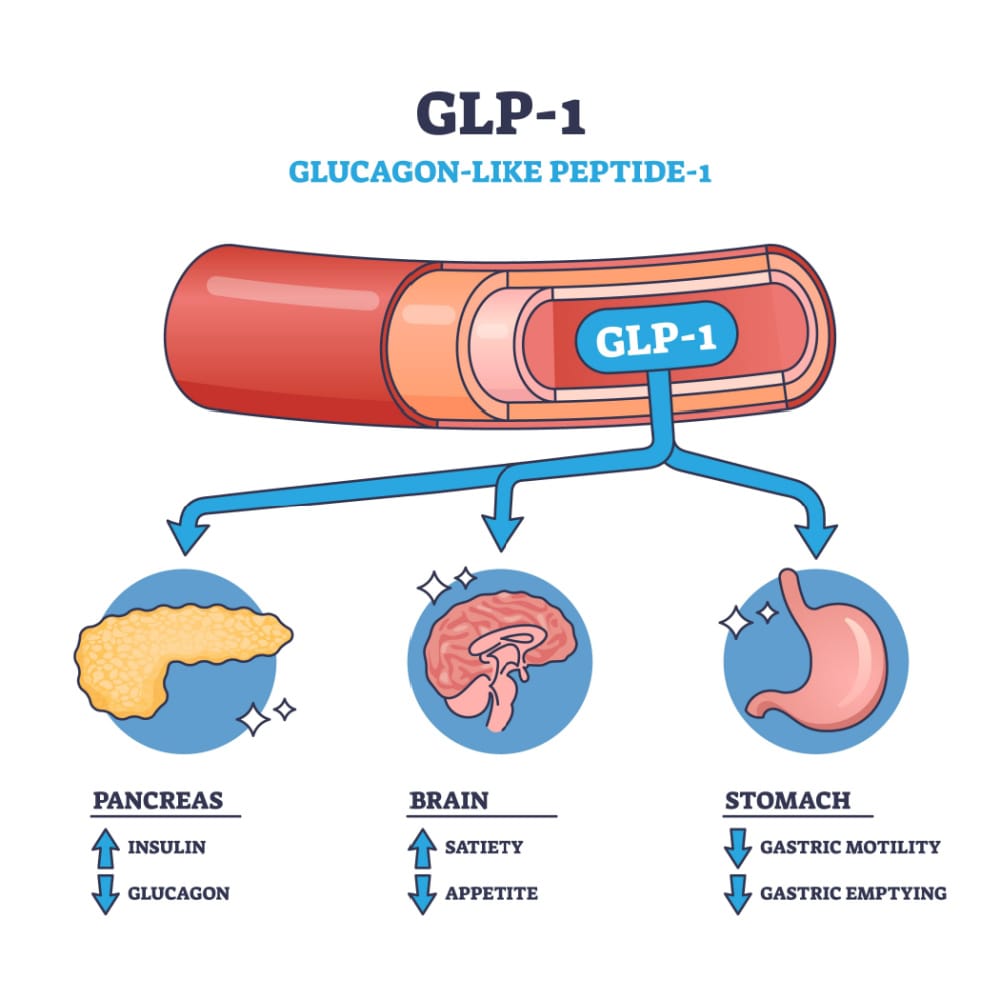
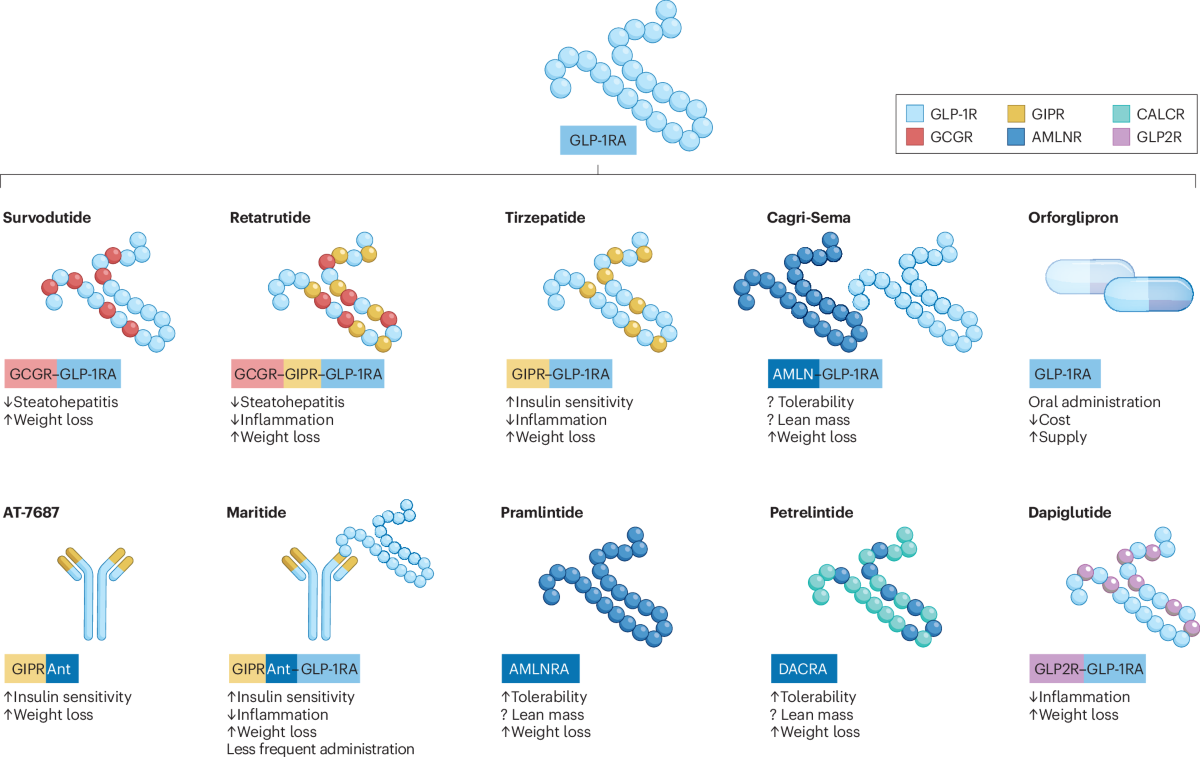
[2] [3] It belongs to a novel class of agents known as triple hormone receptor agonists , meaning it simultaneously activates three distinct receptors involved in appetite regulation and energy metabolism: GLP-1 (glucagon-like peptide-1) receptor reduces appetite and slows gastric emptying GIP (glucose-dependent insulinotropic polypeptide) receptor enhances insulin secretion and, based on preclinical and early clinical evidence, may contribute to improved fat metabolism Glucagon receptor preclinical and early clinical data suggest activation of this receptor may increase energy expenditure and promote fat breakdown (lipolysis), though the precise contribution in humans is still being characterised This triple-action mechanism distinguishes retatrutide from existing approved therapies such as semaglutide (a GLP-1 receptor agonist) and tirzepatide (a dual GIP/GLP-1 receptor agonist)

Current injectable GLP-1 medications have demonstrated weight reductions of 1522% in landmark trials, while patch formulations remain largely experimental
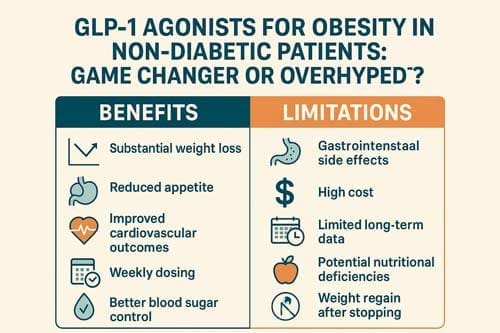
[6,7] GLP-1 receptor agonist medications may cause some side effects, which vary depending on the individual
Commercial payers and PBMs who have long operated in information environments where the true net price after rebates was closely guarded by both manufacturers and PBMs now have a public, government-negotiated reference price for the highest-spending drugs
Without this, the intervention can become a hypoglycaemia generator rather than a sensitivity improver











:max_bytes(150000):strip_icc()/VWHealth-Could-GLP-1Drugs-Reduce-Obesity-Related-Cancers-in-the-Future-3-7d602ab39c0448ddb00cd91b06be2a84.jpg)